
Binocular Vision Dysfunction (BVD): What It Is and How It Affects Your Child
If your child struggles with reading, focusing, sports, or often complains of headaches, they may be experiencing Binocular Vision Dysfunction (BVD). This lesser-known vision condition can affect learning and daily activities. With early detection and proper treatment, children can make significant progress.
What Is Binocular Vision Dysfunction?
Binocular Vision Dysfunction occurs when the eyes do not work together as a coordinated team. Normally, each eye sends a slightly different image to the brain, which then combines the two into one clear picture with depth perception.
When the eyes are even slightly misaligned, the brain must work harder to merge the images. This can lead to blurry or double vision, eye strain, and difficulty maintaining focus.
Common Symptoms of BVD
Headaches after reading or screen time
Eye strain or fatigue during homework
Difficulty reading, skipping lines, losing their place
Double or blurry vision
Poor depth perception, affecting sports or navigating space
Challenges with hand-eye coordination
Covering one eye to reduce visual discomfort
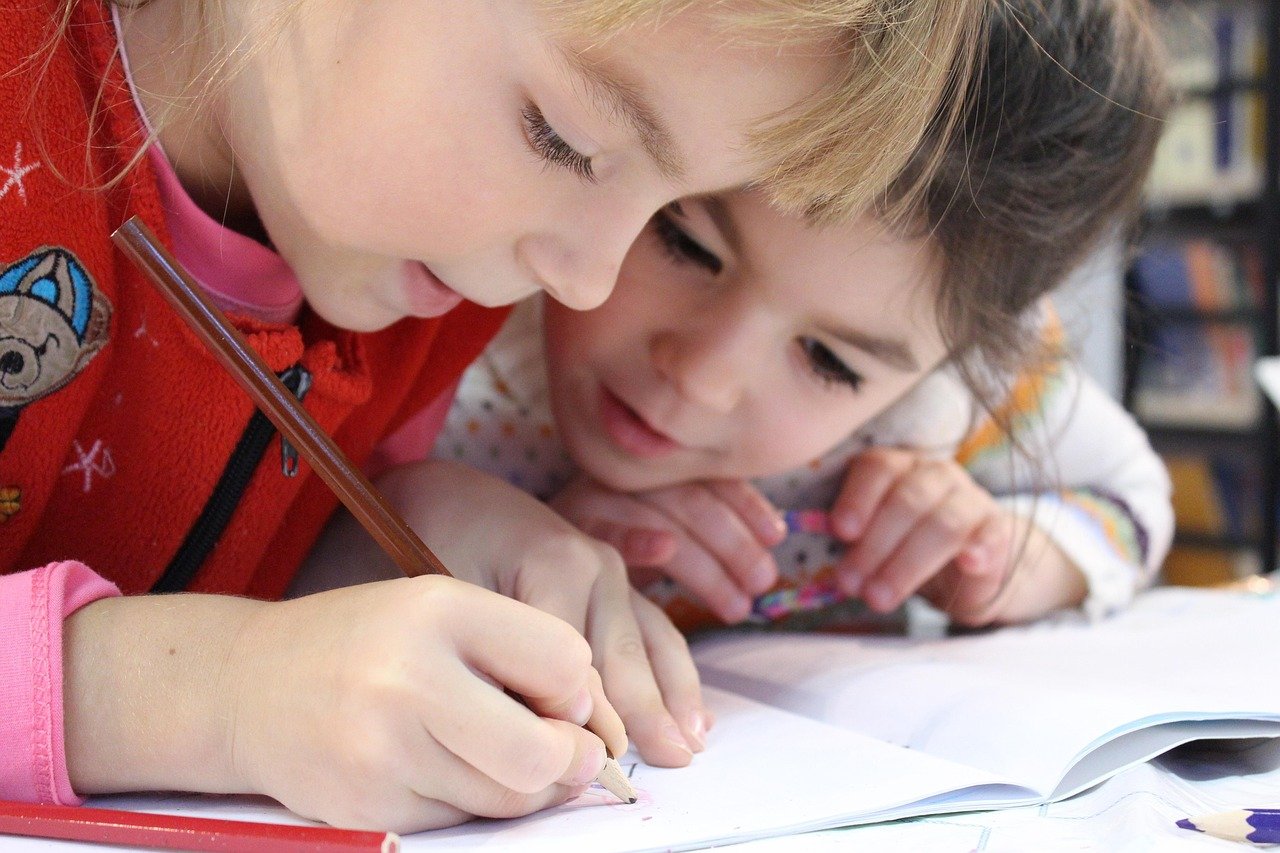
How BVD Impacts Learning
Reading: Hard to track text, stay focused, or maintain clear vision
Math: Difficulty lining up numbers or following work across the page
Writing: Poor eye coordination can affect neatness and letter formation
Sports: Trouble judging distance or tracking moving objects
How BVD Is Diagnosed and Treated
Binocular Vision Dysfunction is usually not detected in a standard eye exam. To get an accurate diagnosis, your child should be assessed by an optometrist who specializes in binocular vision or vision therapy. During the evaluation, the doctor will check how well your child’s eyes work together using tests that measure alignment, depth perception, tracking, and how the eyes move in and out to maintain focus.
If BVD is identified, treatment typically includes vision therapy which is a structured program of eye-coordination exercises designed to strengthen tracking, alignment, and depth perception. This works similarly to physical therapy but focuses on retraining the visual system. In some cases, corrective or prism lenses may be prescribed to help the eyes align more comfortably and reduce strain during daily tasks. Most treatment plans combine both approaches and are personalized to each child’s needs.
